
Is AI coming for my job?
In the future, we might have to fear a mass exodus from the workforce. AI and automation are already taking over many jobs and will continue to do so in the future. The future of work is a hot topic. There are many discussions about the impact of AI on jobs and the workforce. However, it is important to note that not all jobs can be automated and AI will only replace certain tasks in a job. The fear of the future is understandable and it’s a valid concern. But we need to remember that the world has changed significantly in the past few decades and it will continue to change in the future. We have seen an increase in technology and automation, but we have also seen an increase in jobs as well.
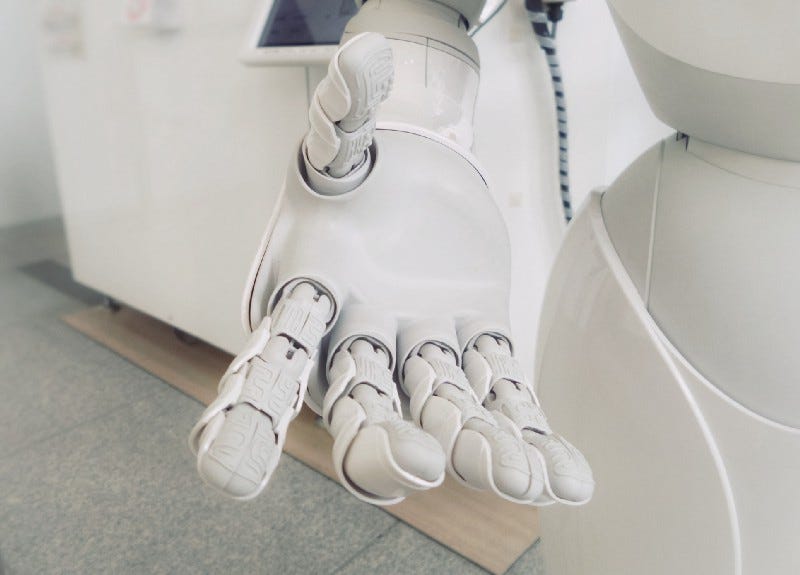
There is also discussion on what we should do with the people who lose their jobs because of automation. Some claim that they need to change their skillsets while others say they should just be given new jobs in other industries. The arguments are endless. Some of the arguments have merit but it’s hard to weigh them against each other without considering any external factors that may influence the process. What is certain is that automation will bring significant changes in our society, which has already seen a shift since industrialization began.
So what does this all mean for the future of work?
The truth is that there is no single answer to this question. This one will be different for everyone, and what follows are three major arguments that have been stated in various discussions. over the issue.
The first argument is that automation will create more jobs. Automation has created 32 million new jobs in the last decade, according to a recent Forbes article. It sounds like the future is bright, but there’s no issue with automation and job creation if all of these positions are high-paying and require a lot more education than what was required previously. The implication here is that we will raise the standard of living for all.
The second argument is that automation will reduce inequality and poverty. This is heavily disputed by people who argue that automation and technology has increased inequality in the United States, according to a recent Newsweek article. The median income in the United States has actually gone down since 1980. Automation has created many jobs, but it will neither reduce poverty nor does it require a high level of education to do. The fact of the matter is that this type of technological revolution has always created new jobs and new industries, it ’s just that they have become more specialized and require different skill sets than in the past. For example, as we see robotic assembly lines replacing factory workers, these newly-created jobs include engineers and managers who specialize in the assembly of a robot. Previously, people who worked on an assembly line would have been assembling widgets for days on end with very little to show for it. The shift from workers assembling widgets to the engineers and managers who create the robots is only one such example. People who previously worked in retail are now working in supply chain management, and people who used to work as lawyers are now becoming information security experts.
The third argument is that automation will increase the standard of living for people in developing countries. It’s true that many developing countries are experiencing a boom due to the geographical location of their populations, but automation has not been able to solve all ills affecting these countries, especially poverty and inequality. The aforementioned arguments are true; however, the most important argument is that automation does not create value for society.
Fear and Uncertainty — Be Not Afraid
It is not necessary to fear a mass exodus from the workforce. There are many jobs that will be done by human beings in the future and there will be new jobs created. What we need to do is make sure that we are preparing for the future and changing our skillsets so we can keep up with the new requirements of our society.
-dwa