
Now that your IT project's Statement of Work (SOW) is finalized, it's time to dive into the critical phase of project execution and monitoring. This pivotal stage demands your utmost attention and expertise to navigate the complexities of implementation and ensure your project's ultimate success.
Inspect What You Expect
To achieve true success, you must keep a vigilant eye on key performance indicators that will guide your project's trajectory and provide invaluable insights into its progress. By closely monitoring crucial metrics, you'll be equipped to make informed decisions, anticipate potential roadblocks, and swiftly address any issues that may arise.
This proactive approach minimizes risks and maximizes the likelihood of delivering your project on time, within budget, and to the highest standards of quality. By maintaining a laser focus on key performance indicators, you'll be well-positioned to ensure the project is a resounding success and sets a new benchmark for excellence in “getting it done.” On time, on budget and with the quality expected.
Remember, it’s not just about planning – it's about adapting and responding to real-time data to steer your project toward its intended goals.
Key Performance Indicators
Effort

First and foremost, it is imperative to focus on staffing metrics as they form the cornerstone of effective project management. You gain invaluable insights into the project's resource allocation and utilization by meticulously comparing your planned staffing to actual numbers. This critical analysis allows you to identify discrepancies between expectations and reality, enabling proactive decision-making.
Tracking the cumulative effort expended provides a comprehensive view of resource consumption over time. Cumulative Effort includes not only the time spent by your Service Provider but also the time spent by your organization’s staff—especially for tasks that are the “shared responsibility” in the typical RACI matrix.
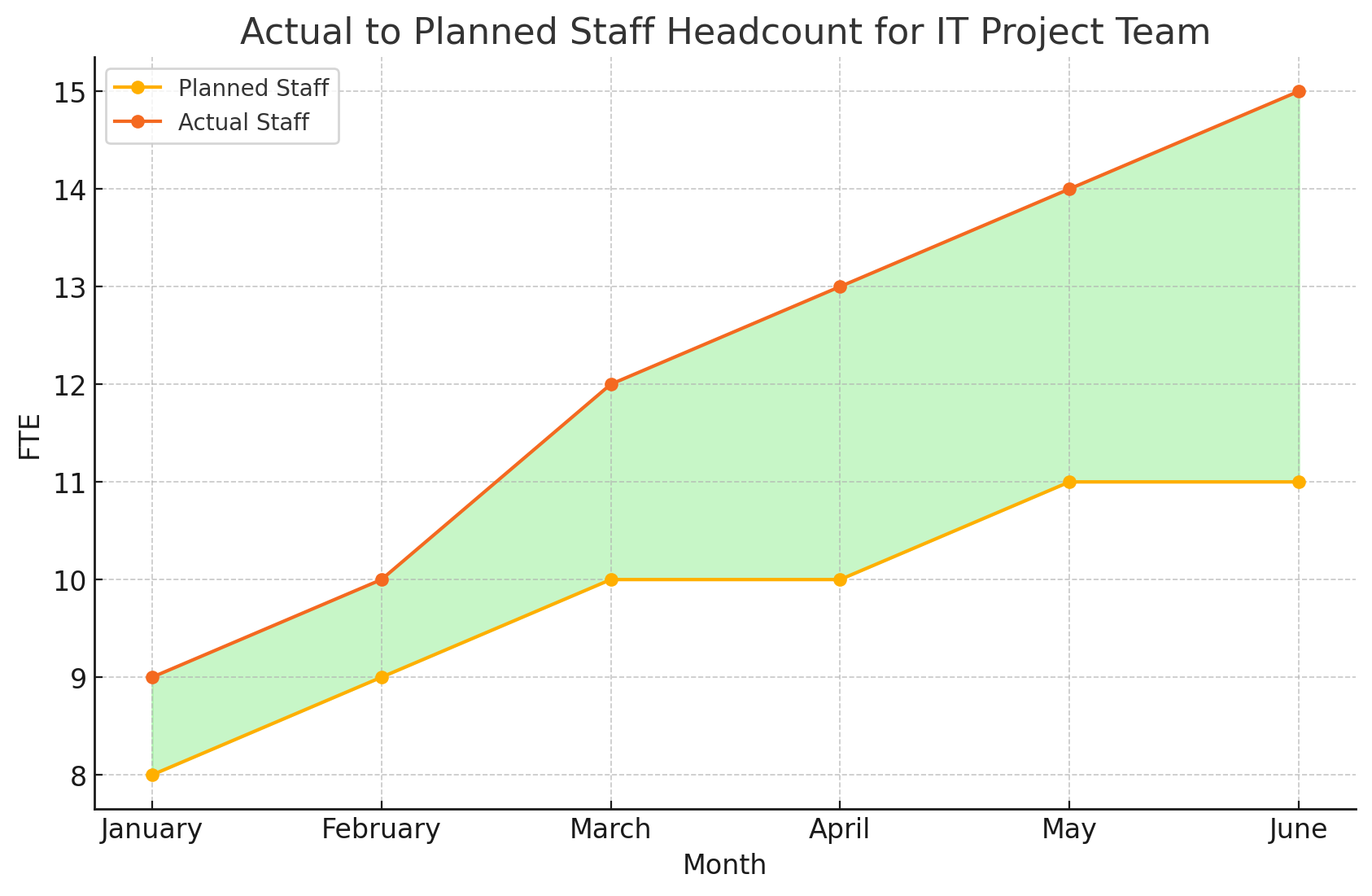
Are you paying the Service Provider for tasks that your own teams are having to complete?
Builds

Progress tracking is absolutely essential for the success of any project, particularly in design and development. By meticulously measuring the number of design units accomplished and carefully monitoring the frequency of builds, you gain invaluable insights into your project's trajectory. These critical metrics serve as a concrete, irrefutable testament to your project's advancement, offering a clear and comprehensive view of your team's productivity and efficiency even for those Agile projects where the “velocity” is not always apparent.
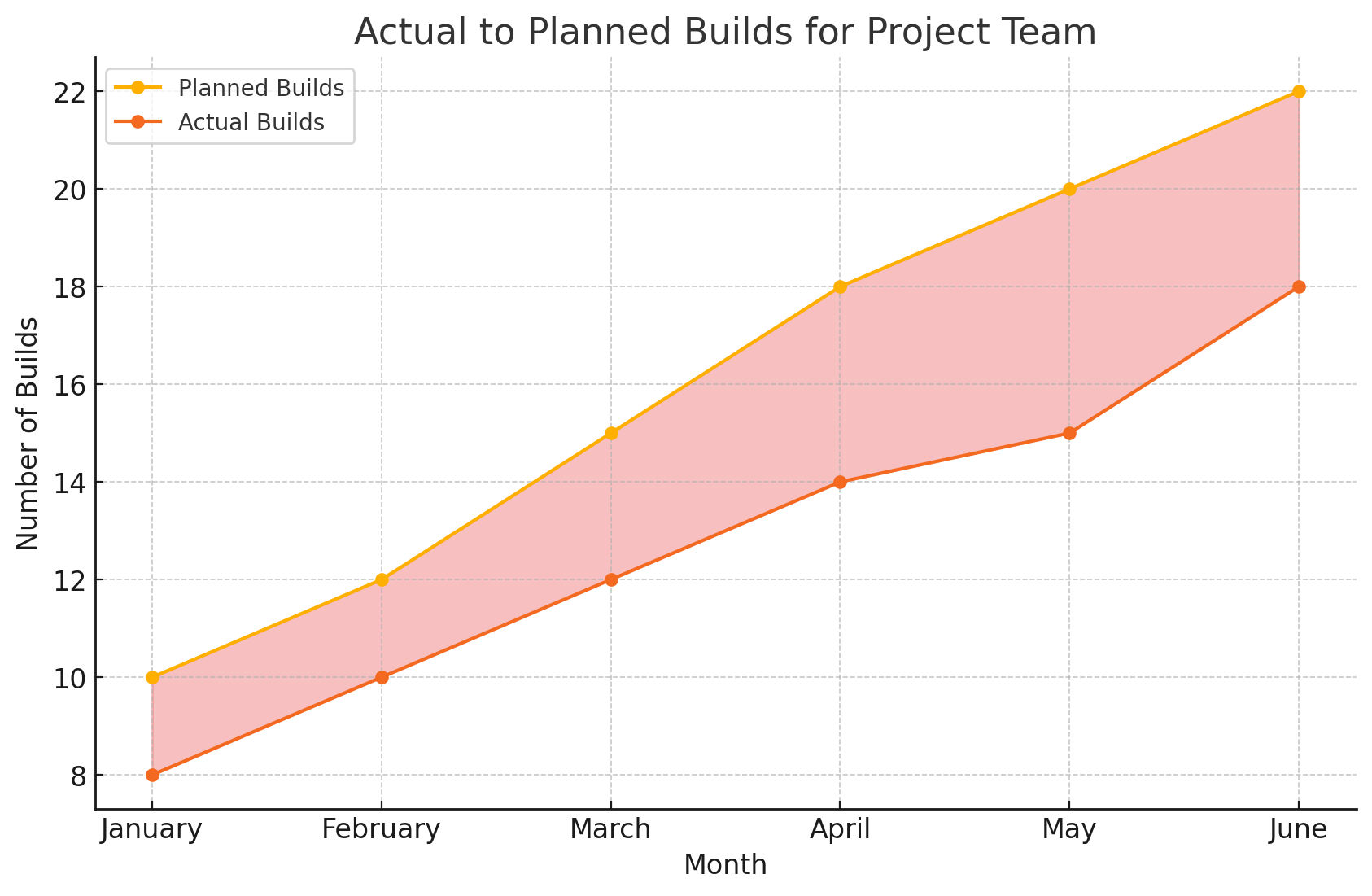
Moreover, these quantifiable indicators act as an early warning system, allowing you to swiftly identify potential delays or bottlenecks that could derail your project timeline. By spotting these issues early, you can take proactive measures to address them, ensuring your project stays on track. Additionally, these metrics shine a spotlight on areas that may require additional resources, whether that's manpower, tools, or expertise.
As with the staffing KPIs, this approach empowers you to make informed decisions about resource allocation, ultimately optimizing your project's performance and increasing the likelihood of timely completion.
Defects
Quality assurance is not just important; it's absolutely crucial for the success of any product or service. By maintaining a vigilant eye on the ratio of defects found versus those fixed, you gain invaluable insights into the efficiency of your remediation processes. This metric serves as a powerful indicator of your team's ability to address and resolve issues promptly and effectively.
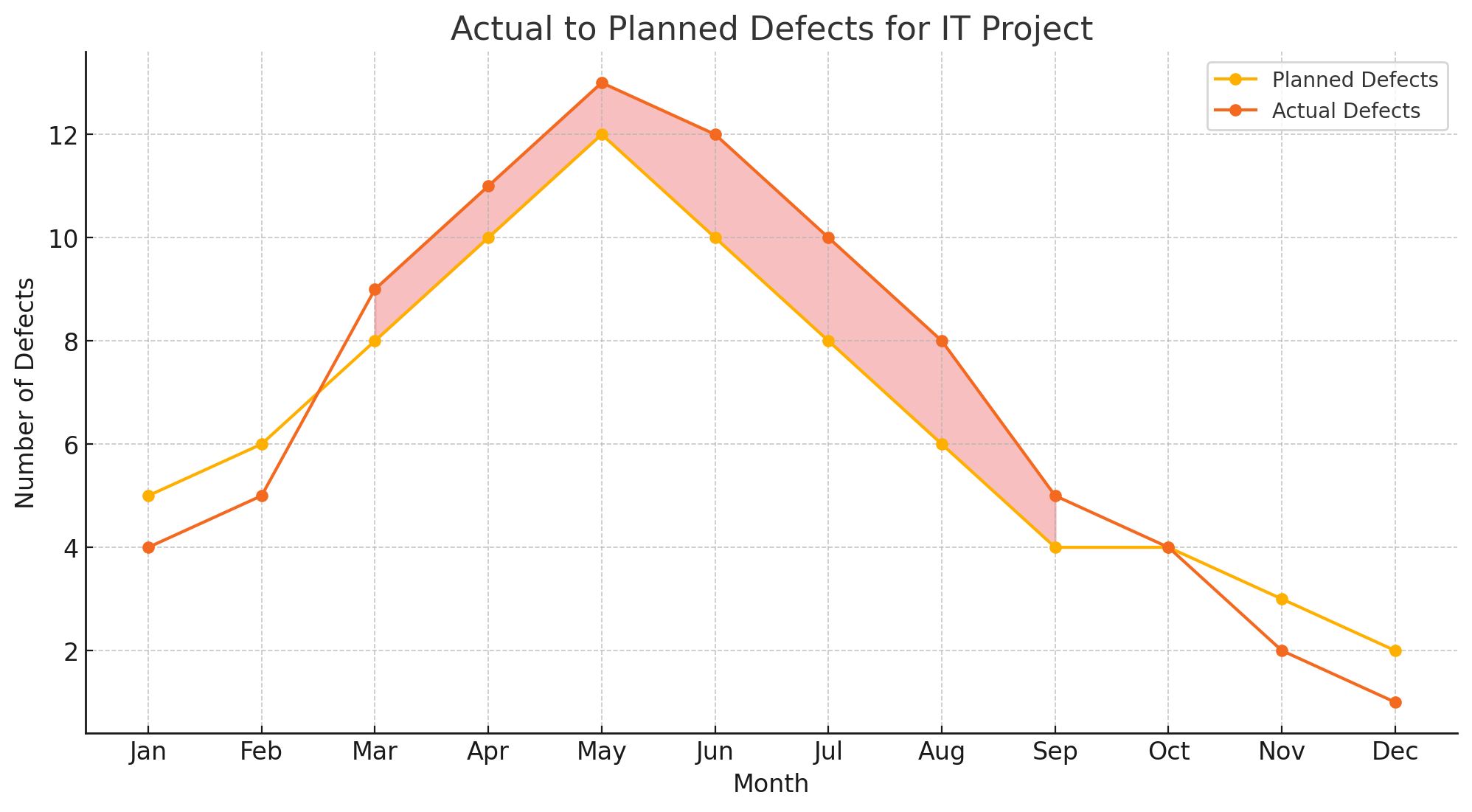
Tracking the cumulative defects discovered over time paints a comprehensive picture of your product's quality trajectory. This trend analysis allows you to identify patterns, anticipate potential issues, and make data-driven decisions to continually improve your development and testing methodologies.
By harnessing these key metrics, you equip yourself with the tools to accurately assess and enhance the effectiveness of your testing processes. This approach not only ensures the delivery of superior quality products but also instills confidence in your stakeholders and end-users.
Remember, in today's competitive market, quality is not just a differentiator – it's a fundamental expectation. Embrace these quality assurance practices, and you'll be well-positioned to exceed customer expectations and maintain a stellar reputation in your industry.
Finance
Financial oversight is an absolutely critical aspect of successful business management that simply cannot be overlooked or underestimated. It's imperative to monitor your monthly costs and cumulative expenses with meticulous attention to detail. By maintaining a vigilant eye on your financial health, you'll be equipped to make informed decisions and take swift action when necessary.
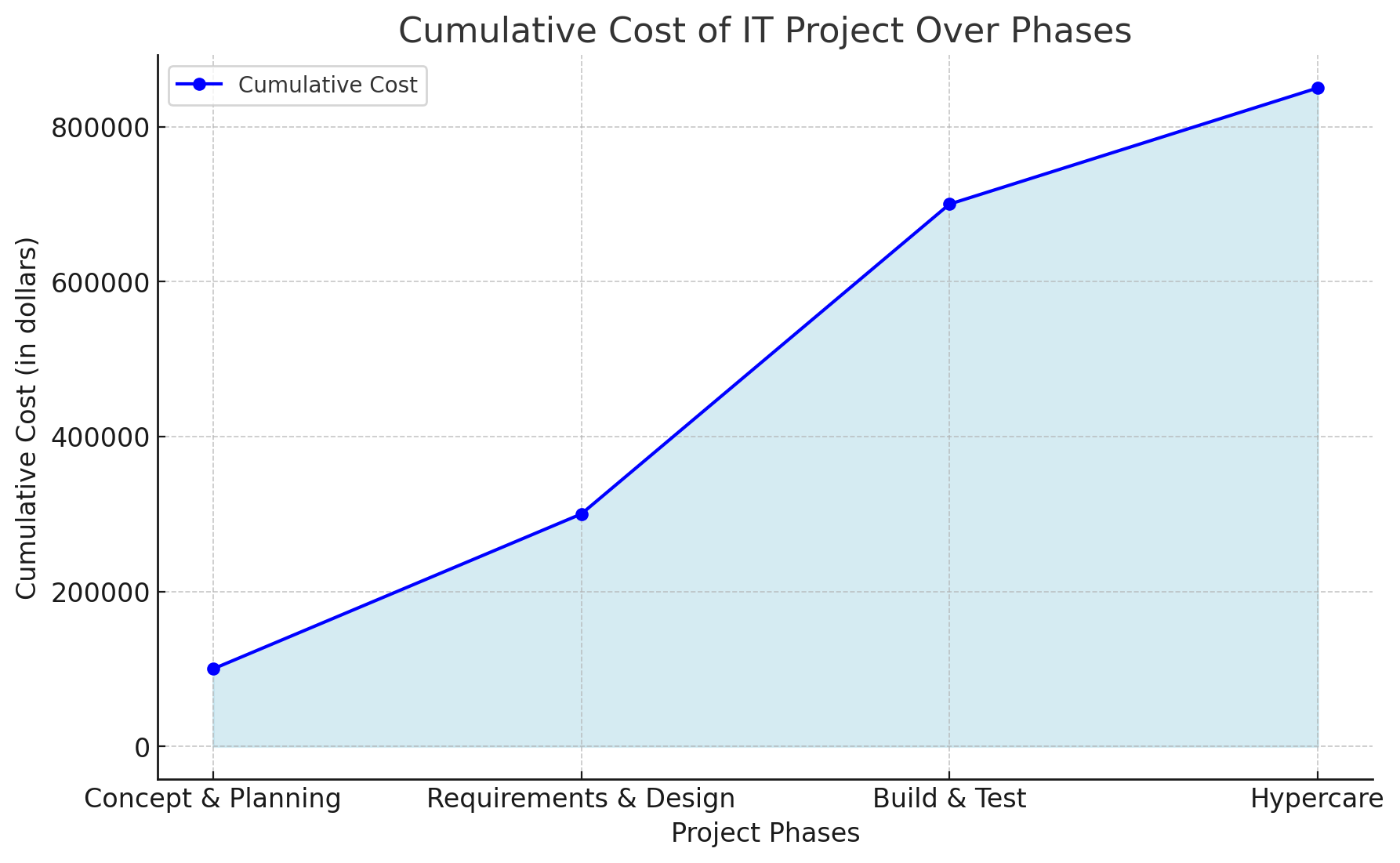
Proactive financial monitoring ensures that you stay firmly within your budget constraints, avoiding the pitfalls of overspending and financial strain. Moreover, it empowers you to make data-driven decisions, adjusting your strategies in real-time to optimize your financial performance.
By embracing this level of financial scrutiny, you'll be well-positioned to respond swiftly and effectively if costs begin to escalate unexpectedly. This foresight can be the difference between weathering a financial storm and succumbing to its pressures.
Remember, in the world of business, knowledge is power, and there's no knowledge more vital than a comprehensive understanding of your financial position.
Duration
Time truly is money in the world of IT projects, and even the slightest deviation from the meticulously planned timeline can trigger a domino effect of consequences. These repercussions extend far beyond mere financial implications, potentially eroding stakeholder confidence and jeopardizing the project's overall success. Consider the ripple effect of time overruns: delayed milestones lead to resource allocation issues, increased labor costs, and potential contractual penalties.
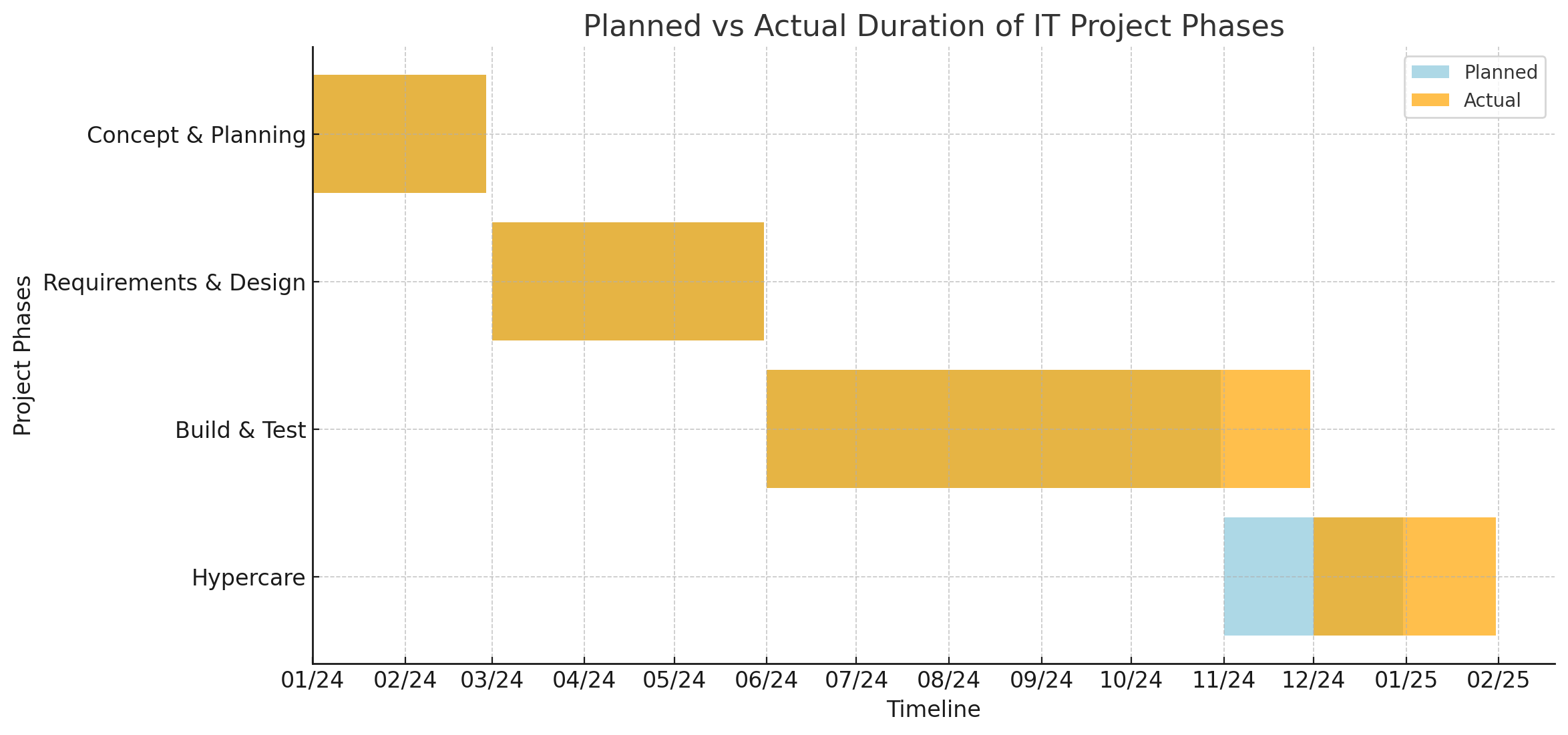
Moreover, stakeholders who have invested their trust and resources in your project may grow increasingly dissatisfied as deadlines slip, potentially damaging long-term relationships and future opportunities. Stay ahead of the curve by implementing robust tracking systems, fostering open communication channels, and being proactive in addressing potential delays. Your dedication to timeliness will not only ensure project success but also solidify your standing as a reliable and results-driven professional in your field.
Remember, effective management of the duration of the project demonstrates your commitment to efficiency, respect for stakeholders' investments, and ability to navigate complex project landscapes.
Bottomline: By diligently tracking these key metrics, you'll be well-equipped to steer your IT project toward success, making informed decisions and adjustments. Remember, the ink may be dry on your SOW, but your project's story is just beginning to unfold. With these metrics as your compass, you'll confidently navigate your IT project's journey, adapting to challenges and seizing opportunities as they arise.
In my next article, we will look at using these metrics to formulate improvement actions for IT projects that may be heading in the wrong direction. Look for Part 2: Adjust What You Can and Control What You Can’t.
Ps. No AI was harmed but was leveraged in creating the graphics.